
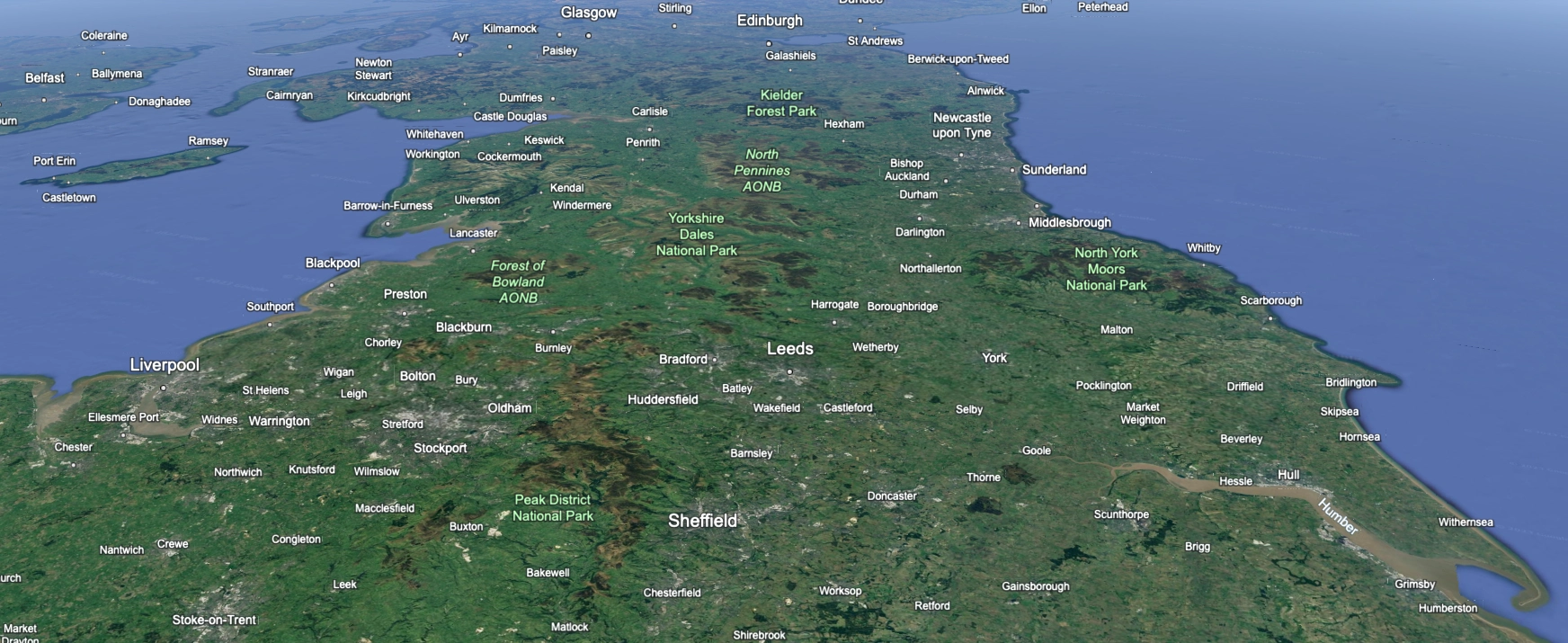
 Leeds
Leeds Doncaster
 Sheffield
 Bradford
 Hull
Hull Halifax
 Sunderland
 Newcastle
 Middlesborough
 Yorkshire Moors
 Teesside
 Cumbria
 Harrogate
 York
York Yorkshire Dales
 Northumberland
 Goole
Goole Carlisle
 Keswick
 Kendal
 Barrow-in-Furness
 Lancaster
 Blackpool
 Morecambe
 Southport
 Liverpool
 Wigan
Wigan Manchester
 Blackburn
 Burnley
 Forest of Bowland
 Oldham
 Chester
 Stockport
 Peak District
 Skipton
 Crewe
Crewe Rotherham
 Stoke
Stoke Driffield


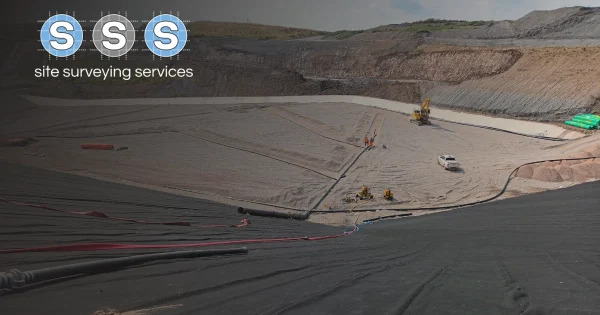
Consultants and multidisciplinary teams — including planners, structural engineers, geotechnical advisors, and cost consultants — require survey deliverables that are accurate, integrated, and fit for purpose. Beyond simple 2D plans, modern projects increasingly demand 3D point clouds, BIM models, labelled CAD outputs, GIS layers and structured data formats that can be directly imported into design and analysis workflows. High-quality surveys enable seamless coordination between disciplines, reducing clashes, discrepancies and data interpretation errors.
Key elements consultants should expect include clearly defined coordinate grids and datums, complete metadata for scale and accuracy, annotated plans showing existing utilities and risk zones, and layered datasets that can be toggled or analysed electronically. Survey deliverables that go beyond static PDFs — such as georeferenced BIM models, interactive 3D renders or terrain models with volumetric analysis — create a shared baseline of truth that improves decision-making, cost forecasting and programme certainty. Investing in rich survey outputs early in a project lifecycle directly enhances design quality and mitigates the risk of downstream changes or disputes.