

 Leeds
Leeds Doncaster
 Sheffield
 Bradford
 Hull
Hull Halifax
 Sunderland
 Newcastle
 Middlesborough
 Yorkshire Moors
 Teesside
 Cumbria
 Harrogate
 York
York Yorkshire Dales
 Northumberland
 Goole
Goole Carlisle
 Keswick
 Kendal
 Barrow-in-Furness
 Lancaster
 Blackpool
 Morecambe
 Southport
 Liverpool
 Wigan
Wigan Manchester
 Blackburn
 Burnley
 Forest of Bowland
 Oldham
 Chester
 Stockport
 Peak District
 Skipton
 Crewe
Crewe Rotherham
 Stoke
Stoke Driffield



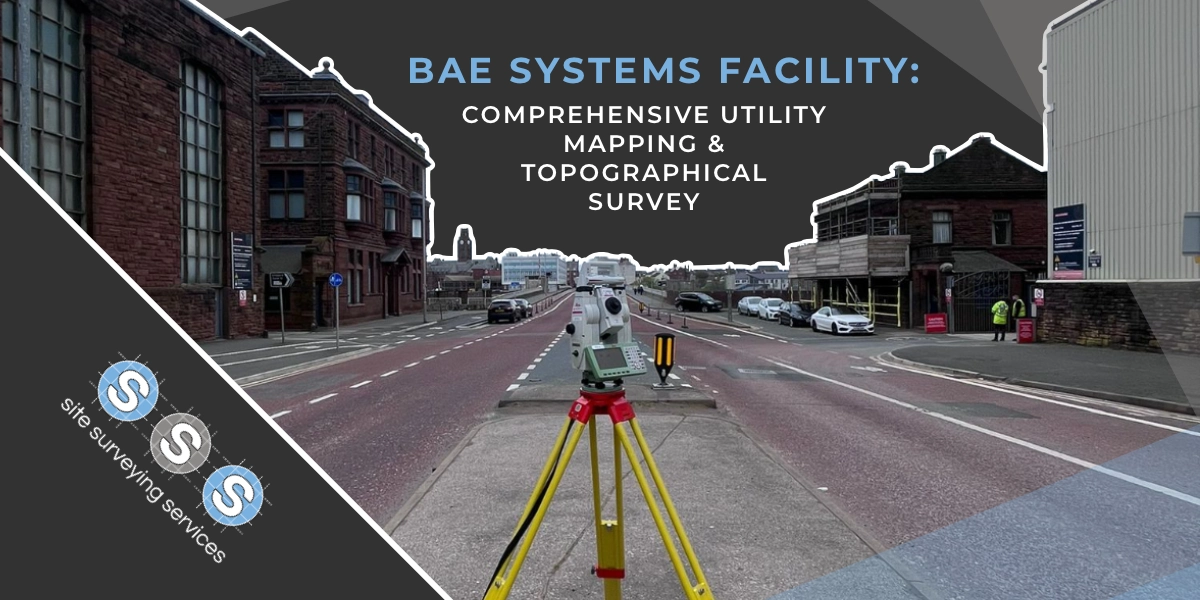
In complex urban redevelopment — whether transforming historic buildings, brownfield sites, or mixed-use districts — the integration of topographical and measured building surveys is critical to developing a holistic understanding of both the site and its structures. Topographical surveys map ground features, contours and context across the site and its surroundings, while measured building surveys capture precise dimensions, internal layouts and elevations of existing buildings.
Overlaying these surveys provides a comprehensive digital twin that shows how buildings sit within their environment, how surfaces relate to existing utilities and how future designs can work with the existing urban fabric. For architects, this enables accurate massing studies and façade retention strategies; for planners, it supports robust planning submissions with accurate site constraints and opportunities; for developers, it provides confidence in cost planning and design feasibility. Together, these surveys reduce unknowns, improve coordination between consultants, and create a single source of truth that drives smoother project delivery from inception to construction.