


 Leeds
Leeds Doncaster
 Sheffield
 Bradford
 Hull
Hull Halifax
 Sunderland
 Newcastle
 Middlesborough
 Yorkshire Moors
 Teesside
 Cumbria
 Harrogate
 York
York Yorkshire Dales
 Northumberland
 Goole
Goole Carlisle
 Keswick
 Kendal
 Barrow-in-Furness
 Lancaster
 Blackpool
 Morecambe
 Southport
 Liverpool
 Wigan
Wigan Manchester
 Blackburn
 Burnley
 Forest of Bowland
 Oldham
 Chester
 Stockport
 Peak District
 Skipton
 Crewe
Crewe Rotherham
 Stoke
Stoke Driffield


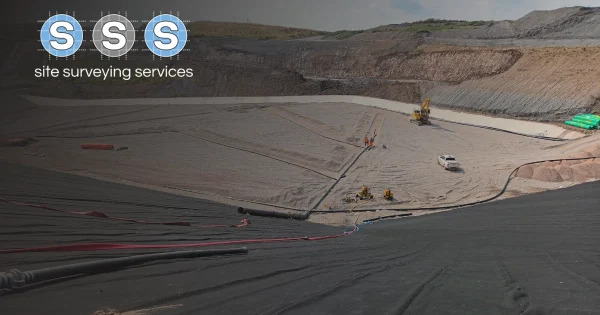
Comprehensive site surveys play a crucial role in sustainable design and planning by providing accurate information about the existing environment, landform, infrastructure and natural features before any design work begins. For architects and planners, survey data — such as detailed topographical maps and aerial/DJI drone imagery — informs decisions about land contours, vegetation, hydrology, and ecology, ensuring buildings are designed in harmony with the natural environment rather than against it. This supports better siting of buildings, efficient water management, and reduced earthworks. Sustainable planning also demands early identification of risks such as flood zones, unstable ground or heritage constraints, all of which are mitigated through high-quality surveys.
For property developers and civil engineers, reliable survey data feeds into site feasibility studies, enabling realistic assessment of build potential, utilities integration and environmental compliance. Accurate surveys also support compliance with planning conditions and environmental regulations, improving the likelihood of timely approvals and future-proofed development outcomes. Integrating survey insights into the design phase ultimately reduces waste, minimises costly revisions and supports regenerative development that meets both regulatory and sustainability goals.